A pure wildlife experience in the Ecuadorian amazon
What is the best time to visit Yasuní national park in Ecuador?
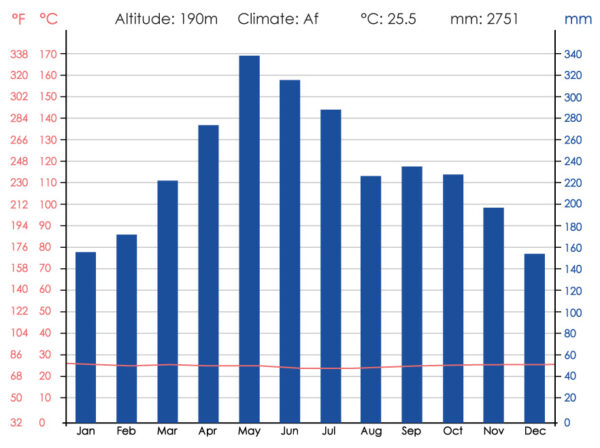
The Yasuní National Park is defined by its vibrant equatorial climate, creating a warm and humid sanctuary for life year-round. With a consistent average temperature of approximately 25.5 °C (77.9 °F), the region remains lush and spectacular regardless of when you choose to visit.
Climate Patterns & Rainfall
The heartbeat of the Amazon is its rain. While the park is evergreen, the precipitation follows a seasonal rhythm that affects river levels and wildlife spotting:
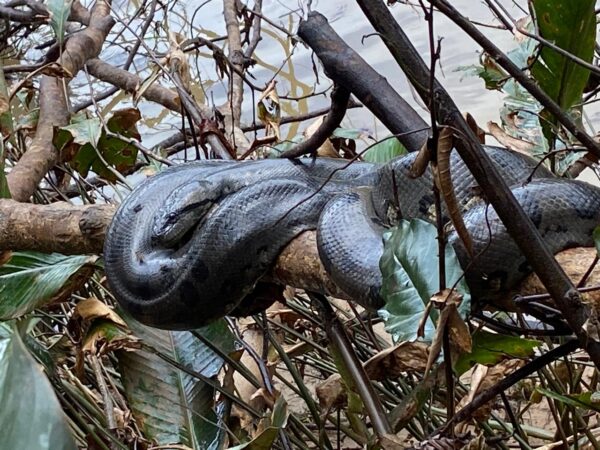
The Wet Season (April – July): In May, rainfall reaches its peak with an average of 331 mm. These months are ideal for navigating the flooded forests by canoe, offering the best chances to spot anacondas and caimans.
The Drier Season (August – March): The driest month is December, with approximately 152 mm of rainfall. This period offers more stable trail conditions for those who prefer exploring the jungle floor on foot.
There is a difference of roughly 179 mm of precipitation between the driest and wettest months, with an annual temperature variation of only 2.2 °C.
To make the most of your adventure at Sinchi Wayra, keep these essentials in mind:
Relax and Disconnect: You are in one of the most biodiverse places on Earth. Take a deep breath and let the sounds of the jungle replace the noise of the world.
Stay Hydrated: The humidity is high (averaging 80%+). Keep water with you at all times.
Cooler Nights: While days are warm, nights in the forest can feel surprisingly fresh. A light sweater or long-sleeved shirt is recommended for evening boat rides.
Rain Protection: Sudden showers are part of the experience. We recommend a lightweight poncho or raincoat so you can continue your adventure without a hitch.
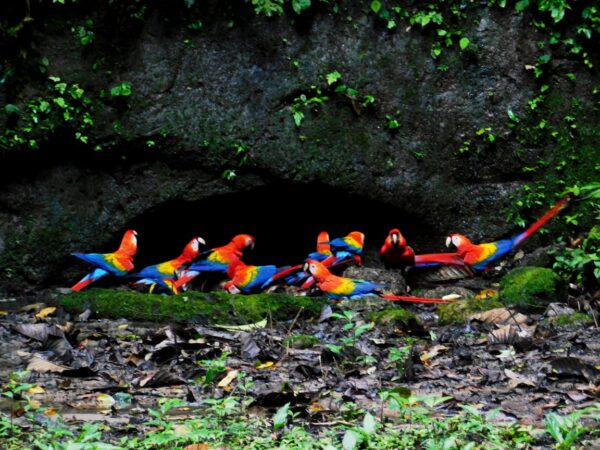
Enjoy Nature: Our expert guides are here to help you navigate this stunning landscape. Use their knowledge to spot the rare birds and monkeys that call this park home.